When you know you messed up

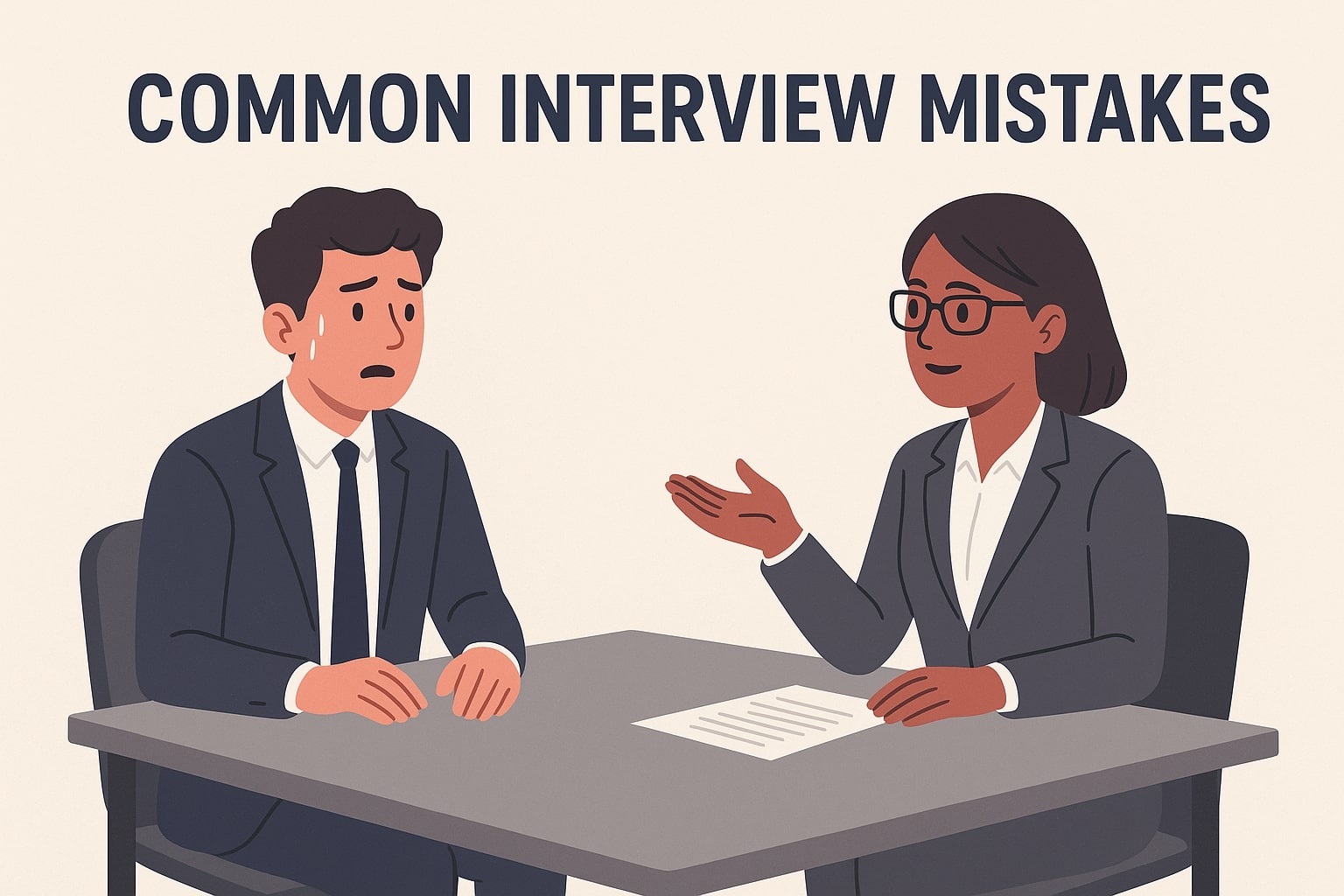
Interviews are make-or-break moments, yet many candidates fall into the same traps time and again. From poor preparation to overconfidence, these mistakes can derail even the strongest CV. At HT Recruit, we’ve seen the patterns firsthand, this is why it is always good to connect with a good recruiter and we understand what separates successful candidates from those who miss the mark. Here are seven epic fails to avoid if you want to stand out in your next interview.
The 7 Epic Fails:
- Arriving late – instantly signals unreliability.
- Not researching the company – shows lack of interest.
- Generic answers – failing to tailor responses to the role.
- Talking too much (or too little) – poor communication balance.
- Negative comments about past employers – raises red flags for clients.
- Ignoring body language – lack of eye contact or closed posture undermines confidence.
- Failing to ask questions – suggests disengagement or lack of curiosity.
So let unpack this in a little more detail

Arriving late – it immediately gives the wrong impression.
Turning up even a few minutes late can make you seem unreliable. It’s hard for an employer to overlook because they’ll assume you might do the same once hired.
Not researching the company – it looks like you’re not really bothered.
When you don’t know what the company does or what they stand for, your answers can feel a bit empty. A bit of research shows you’re genuinely interested in them, not just any job.
Giving generic answers – it feels like you’re reading from a script.
Interviewers can tell when answers aren’t tailored. They want to hear how your experience fits their role, not a recycled response you use everywhere.
Talking too much (or hardly at all) – finding the balance is crucial.
Overexplaining can come across as rambling, while super-short answers make you look unprepared or even timid. Aim for clear, confident responses that actually answer the question.
Bad-mouthing past employers – it’s a major red flag.
Even if you had a rough experience, speaking negatively makes interviewers wonder if you’ll speak the same way about them. Keeping things professional always works better.
Ignoring body language – it sends signals you don’t realise.
Lack of eye contact, folded arms, or poor posture can make you seem disinterested or unsure. A relaxed, open posture helps you come across as engaged and confident.
Not asking any questions – it can make you look uninterested.
Thoughtful questions that make the employer think show curiosity and that you’re genuinely considering the role. don’t ask a generic question that they may have heard a lot ask that question that make them think about there answer. Skipping this part can feel like you just want to get the interview over with.
Additional points to consider:
Waffling on your CV details – it looks like you’re not fully prepared.
If you struggle to talk about what you’ve actually done, it may come across as exaggeration or uncertainty or a complete lack of confidence. Words like ” as you can see its in my CV”, can be a red flag. Knowing your own experience inside-out is key. If unsure you can always get advice with your CV from one of the consultants at HT Recruit
Overconfidence – confidence is great, but arrogance is off-putting.
There’s a fine line between being self-assured and giving the impression you think you’re better than the role or the interviewer.
Using unprofessional language – tonality matters.
Interviewers expect a certain level of professionalism. Casual or sloppy language can make you look less polished.
Not listening properly – it leads to mismatched answers.
If you jump in too quickly or don’t listen fully, you can end up talking around the question instead of answering it. Slowing down shows respect and accuracy.
Focusing only on what you want – interviews go both ways.
Talking solely about salary, benefits, or time off without discussing how you add value can give the impression you’re not team-focused.
Poor follow-up – skipping a simple thank-you can feel like disinterest.
A brief, polite message after the interview shows professionalism and genuine enthusiasm.
7 Epic Fails Candidates Make in Interviews (and How to Avoid Them)